


Fall Routine Reset:
Parent-Approved Feeding, Shared Parenting & Travel Tips for Babies & Toddlers
Fall always feels like a natural reset.
School is in session, football is back and everything pumpkin spice has officially infiltrated society.
After a summer of vacations, flexible schedules and days when your baby's normal routine may have gone completely out the window, getting back into a rhythm can make everyday life with a baby or toddler feel much more manageable.
If you're looking for practical baby and toddler routines, we're focusing on simple feeding, shared parenting and family travel systems that can make everyday life with a little one easier.
As fall approaches, getting back into a rhythm can feel especially welcome.
Successful parenting is about finding effective routines that fit your family's lifestyle, help you raise your baby as a team, and make everyday life together a little easier.
In addition to my own experiences as a mom, I asked fellow moms at different stages of parenthood which routines and schedules helped ease the stress of raising a baby and allowed them to work better as a team with their partners.
When discussing this blog with my mom friends, three common topics arose when developing routines during the baby and young toddler stages:
-
Baby Feeding Routines: Breastfeeding, Formula Feeding & Baby Food Prep
-
Shared Parenting Responsibilities: How to Work as a Team
-
Traveling with a Baby: Flight Times, Airports & Road Trip Schedules
These are the routines that made a real difference for parents with babies and young toddlers, let's get into it!
1. Baby & Toddler Routines for Focused Feeding Preparation
During the first year, so much of your day revolves around feeding your baby. With breastfeeding around the clock, pumping, storing breast milk, preparing bottles, or introducing solid foods, feeding can quickly become one of the most time-consuming parts of the day.
Having a simple baby feeding routine can help Mom lean on her partner to share some of that responsibility while giving both parents a better system for preparing, washing, and restocking feeding essentials.
Stage 1: For Breastfeeding Parents
During the first few months, breastfeeding may be your baby's primary source of nutrition. While Mom is the one physically breastfeeding, that doesn't mean she has to manage the entire feeding routine.
Here’s a simple system that allows both parents to stay involved throughout the day and night:
- Create comfortable feeding stations with the essentials Mom regularly needs nearby
- After Mom feeds, her partner can handle burping and the diaper change
- Take turns settling baby back to sleep
- While one parent settles baby, the other can clean and reset feeding essentials
- Once baby is settled and everything is reset, give yourselves a much-needed break
Keeping the routine flexible is important. If Mom is constantly handling nighttime feedings, pumping throughout the day, settling baby, washing bottles, and managing everything else, resentment can start to build.
So, dads and partners, be aware, take initiative, and share the responsibility wherever you can.
Give yourselves grace and use these routines as guides rather than rigid processes. Some nights Mom may want to handle feeding and settling baby. Dad can step in elsewhere by washing bottles, doing laundry, or tidying the house.
Trust me, walking out of the nursery and realizing your partner took the initiative to tackle everything else can feel like a gift.
Sharing responsibility helps build a healthier partnership so you can continue supporting one another through the exhausting infant stages.
Stage 2: For Bottle Feeding Parents
Once mom has produced enough supply to refrigerate and freeze, feedings should be a non-negotiable shared responsibility.
Having milk available for bottle feedings may allow parents to take turns with nighttime wakeups, give Mom some much-needed "me time," or even make date night possible with the grandparents more than willingly babysitting.
And yes, "me time" can absolutely mean wandering around Target with a Starbucks in hand with nowhere you actually need to be.
To effectively share feeding responsibilities, make sure both parents know how stored breast milk should be handled, thawed, and prepared. Talk through the routine ahead of time so nobody is nudging Mom awake at 2:30 a.m. on her "night off" because they aren't sure what to do.
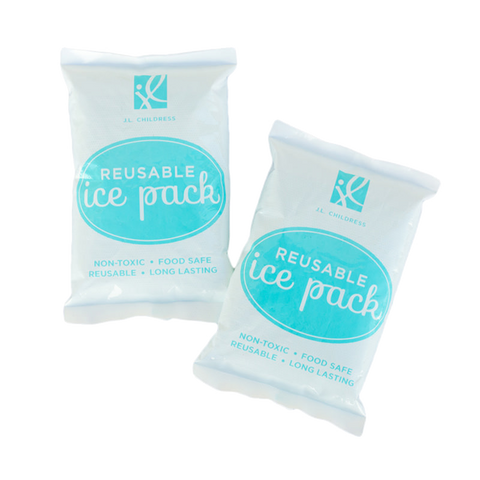
Bottle feeding allows you to venture out of the house with your little one more often so make sure that breast milk is securely transported and properly handled with an insulated bottle bag like the J. L. Childress TwoCOOL Double Bottle Bag. This leak-proof bottle bag holds two any size bottles with room for breast milk storage bags. Plus, it comes with one 8 oz reusable ice pack to keep contents cool.
The goal is to build a newborn feeding routine that supports the parents as well as the baby and keeps the process as smooth as possible.
Stage 3: For Formula Feeding Parents
Formula feeding comes with its own routine of preparing bottles, measuring formula, washing feeding supplies, and making sure you have enough formula on hand.
Try creating a daily reset routine to make formula feeding feel more manageable.
Choose a consistent point in your day—after dinner or before bed, for example—to wash and organize bottles and make sure everything you'll need for the next day is clean and accessible.
Once you understand your baby's feeding habits, you can prepare enough clean bottles each night so you're ready for early-morning or overnight feedings without washing bottles while you're half asleep.
Before going to bed, ask: "Are there enough clean bottles? Do we have plenty of formula? Is the diaper bag stocked with what we'll need for feeding tomorrow?"
Those few minutes can make a 5:00 a.m. wake-up or rushed morning much easier, especially for working parents.
For those of you working and pumping moms...first, I applaud you! Second...I highly recommend the J. L. Childress 6 Bottle Bag as an easy way to carry a small breast pump and essentials to work. I personally used this bag to pump in office. It comes with an 8 oz freeze-solid ice pack so after pumping I could keep it at my desk and my milk stayed cool and safe until I got home.
For nighttime feedings:
- Organize feeding supplies in advance according to your formula manufacturer's preparation and storage instructions
- Make sure the supplies you regularly use are clean and easy to access
- Keep burp cloths and an extra baby outfit nearby
- Restock formula and feeding essentials before you run low
Always follow your formula manufacturer’s preparation and storage instructions. Safely organizing what you can ahead of time means less searching and measuring during those half-awake nighttime feedings.
One game-changing product I recommend to all my expecting parents is a Baby Brezza Formula Dispenser.
This machine mixes a formula bottle in seconds with the touch of a button, eliminating some of the measuring and bottle-preparation steps while you have a hungry infant waiting. Some models even offer additional technology features for added convenience.
Pro Mom Tip: If you spend a lot of time at Grandma's house or have a multi-level home, having feeding supplies where you use them most can save a surprising amount of time. If a formula dispenser is something you'll use often, it can also be a helpful baby-registry item.
Stage 4: For Homemade Solids Prepping Parents
Starting solids introduces an entirely new layer of meal planning.
If you're making some or all of your baby's food at home, don't pressure yourself to prepare fresh baby food on demand.
Instead, designate a block of time and day to knock out your weeks’ worth of baby food.
Think:
Prepare → Portion → Label → Store → Restock
- Portion foods into appropriately sized containers
- Clearly label them with the contents and date
- Refrigerate or freeze them according to safe food-storage guidelines
You can also create a small "baby section" in your refrigerator or freezer. When you're tired and trying to get lunch on the table, seeing your baby's options in one place is much easier than searching through everything.
Sundays were—and still are—my meal-prep days for my son.
I made his food from scratch for many months once he started solids, and I'm happy I did. It was fun discovering his preferences and watching the hilarious faces he'd make when something like green beans went into his mouth.
The nutribullet Steam + Blend is a fantastic way to prepare food in one simple machine.
I opted for glass containers to store his refrigerated foods and silicone trays when freezing foods. WeeSprout is a great brand that offers both options.
At two years old, I still meal prep for my son, although now it's mostly fruit and veggie pouches. These days, foods like pizza, french fries, and chicken nuggets have entered the rotation, so there isn't quite as much need for the baby blender anymore.
Reusable pouches are how I store my sons’ purees and an 8-pack from the brand Papaya rate well amongst parents.
An amazing insulated bag that was designed specifically to transport glass bottles and glass jars is the Pack 'N Protect Tote for Glass Bottles and Jars by J. L. Childress. It's unique design allows you to customize the inside with padded adjustable dividers to cater to any size bottle and jar. It will keep glassware protected and has a slim design to easily fit inside a diaper bag.
The routine to aim for: Spend a little time preparing when you have the bandwidth so feeding requires less work in the moment.
Pro Mom Tip: Keep some store-bought food on hand for those "just in case" moments. Homemade baby food is wonderful if you have the time, but convenience matters too. So find your balance of incorporating homemade with store-bought.
2. Shared Parenting Responsibilities: How to Work as a Team
One of the most valuable routines new parents can create has very little to do with the baby's schedule.
It's a shared parenting routine.
Caring for a baby involves dozens of small, repetitive responsibilities: feeding, changing diapers, washing bottles, cleaning pump parts, restocking supplies, making appointments, preparing the diaper bag, bath time and bedtime.
When both parents wait until something needs to be done to decide who's going to do it, the constant negotiating can become exhausting.
Instead, create a few predictable responsibilities so both parents know who handles what and when.
Divide Parents Responsibilities in a Way That Works for Your Family
Shared parenting doesn't have to mean dividing every baby-related task exactly 50/50.
A better goal is creating a routine that feels fair, supportive and realistic for your family's circumstances.
The important shift is moving from: "Can you help me with this?" to: "This is the part of our routine you own."
That can reduce some of the mental work involved in remembering, delegating and asking.
Try Parenting Shifts with a Newborn Baby
During particularly demanding stages, parenting shifts can make daily routines easier to manage.
Your family's routine could look something like:
Early Morning: Dad takes baby after the first feeding while Mom rests or gets ready.
After Work: One parent handles baby while the other prepares dinner or takes a short break.
Evening: Dad handles a bottle when that's an option for the family.
Bedtime: One parent does bath and pajamas while the other prepares feeding supplies and handles the final feed or settling.
Overnight: Parents decide ahead of time how nighttime wakeups will be handled based on the baby's feeding needs, work schedules and what is realistic for the family.
The exact schedule isn't important, having a game plan before you're both burnt out is.
Use a Shared Family Calendar & Schedule 15-Minute Weekly Check-In's
Once a week, spend about 15 minutes looking at the upcoming family schedule together.
Make this time count so you're on the same page and can work as a team to navigate the upcoming week's responsibilities.
This can be as simple as sitting down Sunday evening and reviewing a shared family calendar.
Talk through:
- Appointments
- Grocery shopping
- Work commitments
- Feeding or sleep changes
- Who is handling drop-off/pickup
- Weekend plans/travel
- When each parent could use some personal time
Your family schedule should change as your baby does. As they grow, continue reassessing which routines still work and which need to change.
Communication is key, so don't be afraid to overcommunicate.
Respect that both parents need breaks, personal time and opportunities to recharge. Sharing parenting responsibilities isn't about making everything 50/50, it's abut creating a system where both parents feel supported.
3. Traveling with a Baby: Flight Times, Airports & Road Trip Schedules
Before kids, planning a trip might have meant finding the cheapest flight or the shortest drive.
With a baby or young toddler, there are a few more questions worth asking.
Ask yourself:
- When is our baby happiest?
- When do they normally nap?
- How long will we realistically be on the road?
- At which airport will the experience easier?
The "best" travel itinerary for a family with a baby isn't always the one that looks best on paper.
What is the Best Time to Fly with a Baby?
There isn't one universally perfect time to fly with a baby.
Instead, map out your baby's typical day and search from there.
If your baby reliably naps in a carrier or while being held, a flight that overlaps with naptime may work well.
If your toddler struggles to sleep anywhere except their crib, you might prefer a morning flight when they're rested and happier rather than hoping they'll sleep on the plane.
Also consider what happens after you land.
A flight that arrives right at bedtime might sound ideal until you factor in getting off the plane, collecting luggage, picking up a rental car, installing a car seat and driving another hour to the hotel.
Sometimes arriving earlier and giving everyone time to settle is worth paying a little more or choosing a less convenient departure time.
Don't Always Choose the Closest Airport
When you have multiple airports within driving distance, compare the entire experience, not simply the airfare.
Ask yourself:
- How long will it take us to get there?
- How complicated is parking?
- How early will we realistically need to arrive?
- Is it a large airport requiring more walking or transportation between terminals?
- Are there nonstop flight options?
- What time will we arrive at our destination?
- How much baby gear are we flying with and do we have protective bags to transport them in?
A smaller airport that's slightly farther away—or has a slightly more expensive flight—could potentially create a much easier travel day if it offers a nonstop flight, simpler parking or a less complicated terminal experience.
With a baby, convenience has value.
How to Plan a Successful Road Trip with a Baby or Toddler
Your map may say the drive takes five hours.
With a baby or toddler, don't plan a five-hour travel day.
Instead, look at the route before leaving and identify potential stopping points.
Depending on your baby's age and needs, you'll likely need time for feeding, diaper changes, movement and simply getting everyone out of the car for fresh air.
I personally love stopping at local parks when we need a breather. At a park, you never know what the restrooms will look like, so I recommend keeping the J. L. Childress Pockets 'N Pad Diapering Station in your car at all times. It's large size is ideal for road trips because you can store diapers and wipes inside the accessories pockets and it perfectly fits in a trunk or backseat, giving a clean space to change when out and about.
Rather than waiting until the baby is already unhappy to search for somewhere to stop, identify a few possibilities ahead of time.
For example:
Leave after morning feeding → Drive → Planned stop → Feed/change/stretch → Drive during nap → Lunch stop → Final stretch
You don't have to stop at every planned location. They're simply options you already know are there.
That small amount of preparation can make the difference between thinking, Where can we possibly pull over? and knowing there's a good stopping point coming up.
Give Yourself a Travel Buffer
One of the easiest ways to make traveling with a baby more stressful is expecting it to run on an adult timeline.
Build extra time into everything.
Leave earlier than you think you need to for the airport. Assume you'll need an unexpected diaper change. Don't schedule an important dinner thirty minutes after you're supposed to arrive at the hotel.
Traveling with babies becomes much more manageable when the schedule has room for your baby to be a baby.
Simple Fall Routine Reset for Parents of Babies & Toddlers
If you're searching for ways to get organized with a baby, resist the urge to overhaul your entire household at once.
Start with three small changes.
Feeding
Choose one repetitive feeding task and turn it into a routine.
Maybe that's creating a breastfeeding station, doing a nightly bottle reset or preparing homemade baby food once a week.
Shared Parenting
Choose one responsibility each parent can completely own.
Then spend 15 minutes once a week reviewing your family calendar and adjusting the plan when needed.
Family Travel
For your next trip, choose flights, airports and road-trip stops based not only on price and travel time, but also on what makes sense for your baby's normal routine.
That's it.
Give those systems time to become habits before adding more.
The Best Baby Routine is the One That Makes Family Life Happy & Enjoyable
Routines with babies and toddlers are going to change.
Nap schedules shift. Feeding needs change. Solid foods enter the picture. Bottles eventually disappear. Your easygoing infant becomes a toddler with very strong opinions.
This fall, look at the parts of your day that consistently feel rushed or overwhelming and ask one question: "What could we decide, prepare, or organize ahead of time so we don't have to figure this out again tomorrow?"
Sometimes a smoother family routine starts with something as small as clean bottles waiting in the cabinet, Dad knowing he's handling the next feeding, or choosing a flight that caters to your baby's routine.
These small decisions add up—and leave Mom and Dad with a little more time and energy to genuinely enjoy the baby stage while it lasts.